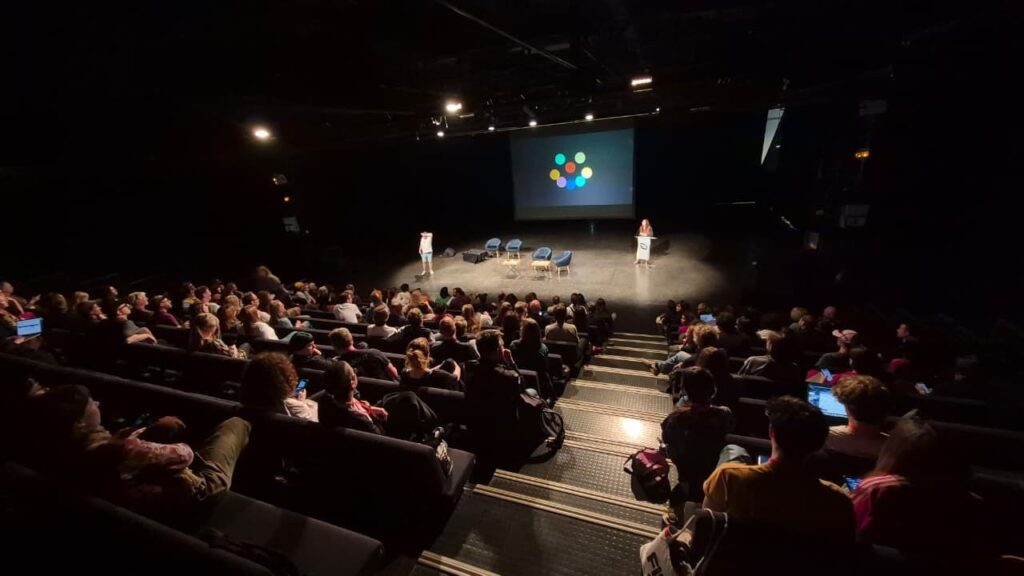
TEH 101: Cultural spaces and planetary boundaries

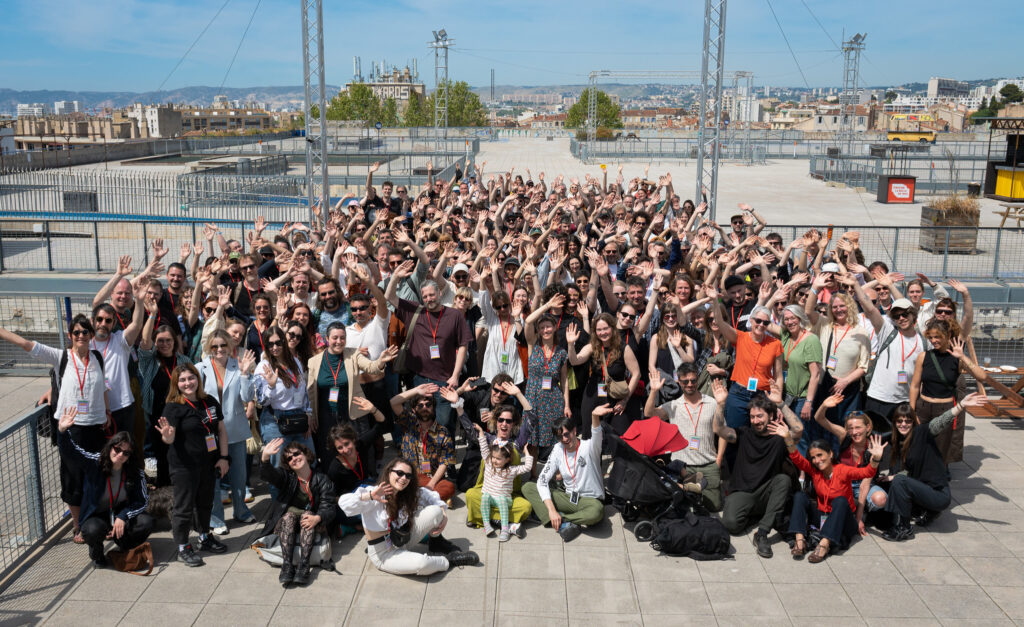
For four days in Marseille, hundreds of cultural actors including us, Lapinlahden Lähde, came together once again under the Trans Europe Halles network to exchange ideas, challenge assumptions and reflect on the role of cultural spaces in a time of ecological, social, and political uncertainty.
The event was hosted by Friche la Belle de Mai, TEH Conference 101 invited participants into a shared question that felt urgent and deeply human: What must we stop, transform, or reinvent in order to stay within planetary boundaries? The conference theme, Imagining Within Limits: Cultural Centres and Planetary Boundaries, framed the gathering as a collective effort to think honestly about the future of culture, place, and responsibility. This is our first conference as full time members of the network.
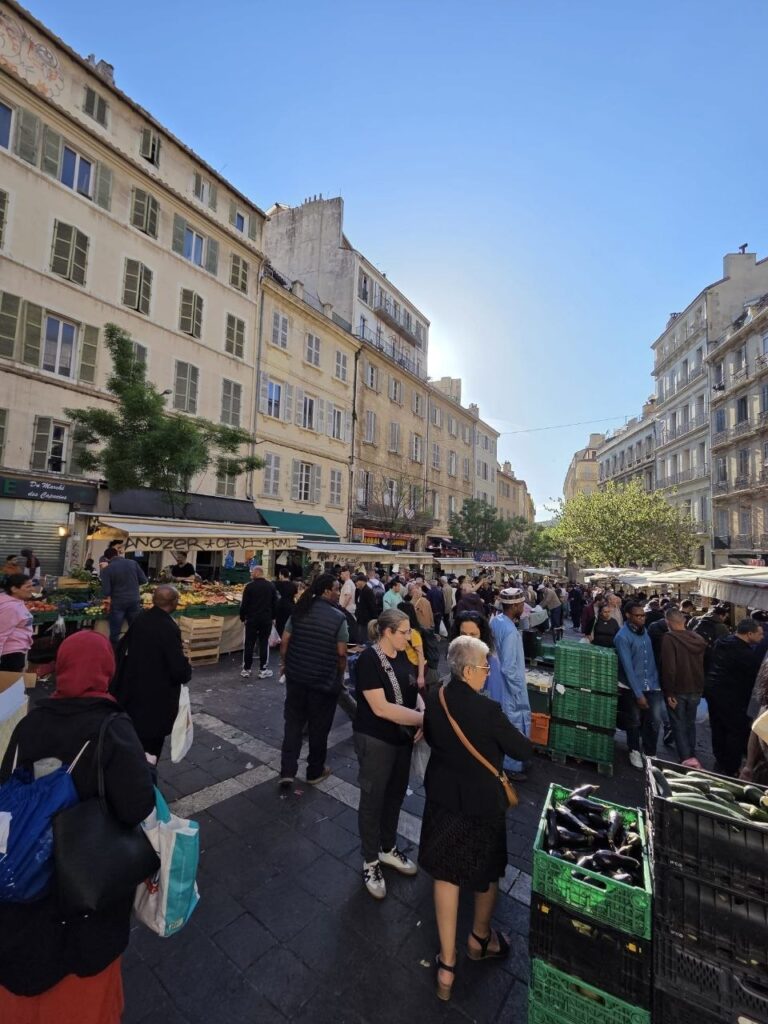
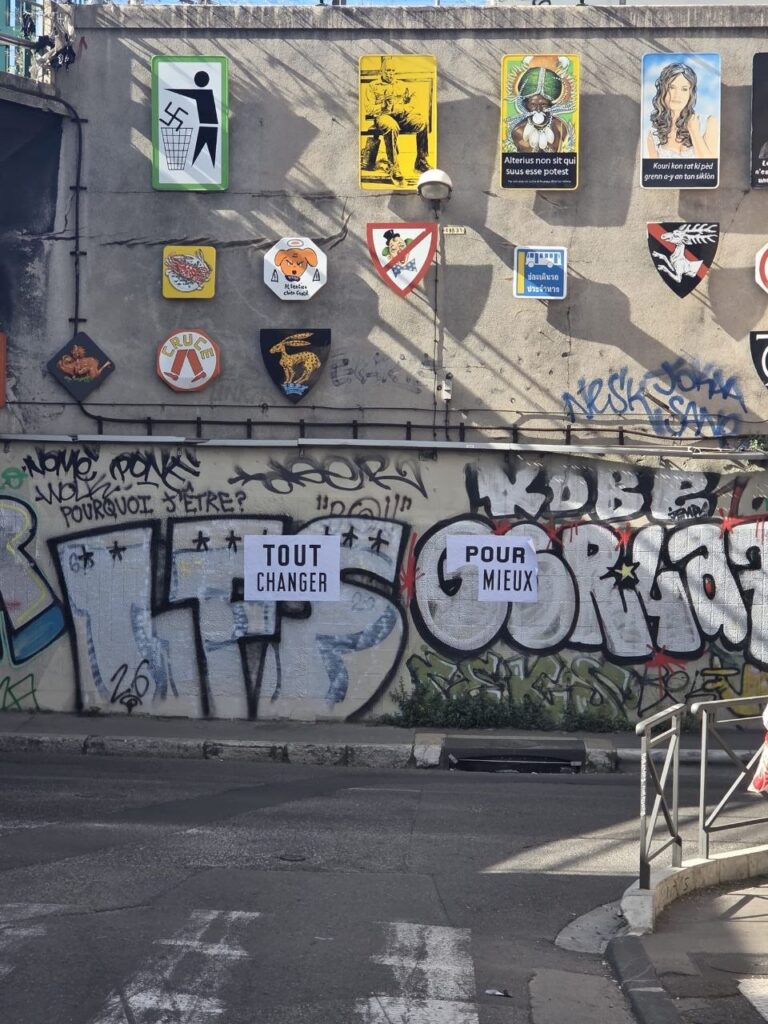
We feel that Marseille was the right setting for this conversation. This city is a large port city in the south of France, on the Mediterranean coast. It is known for its mix of cultures, busy streets, long history, and strong local character. People from many backgrounds have shaped the city over time, which is visible in its food, music, languages, neighbourhoods, and everyday life. Marseille also has a strong countercultural side: alongside its historic landmarks, it is known for independent cultural spaces, street art, grassroots initiatives, activist communities, and artistic scenes that often grow outside polished mainstream institutions. It is not polished in every corner, but that is part of what makes it memorable. Marseille feels real, diverse, creative, and full of movement.
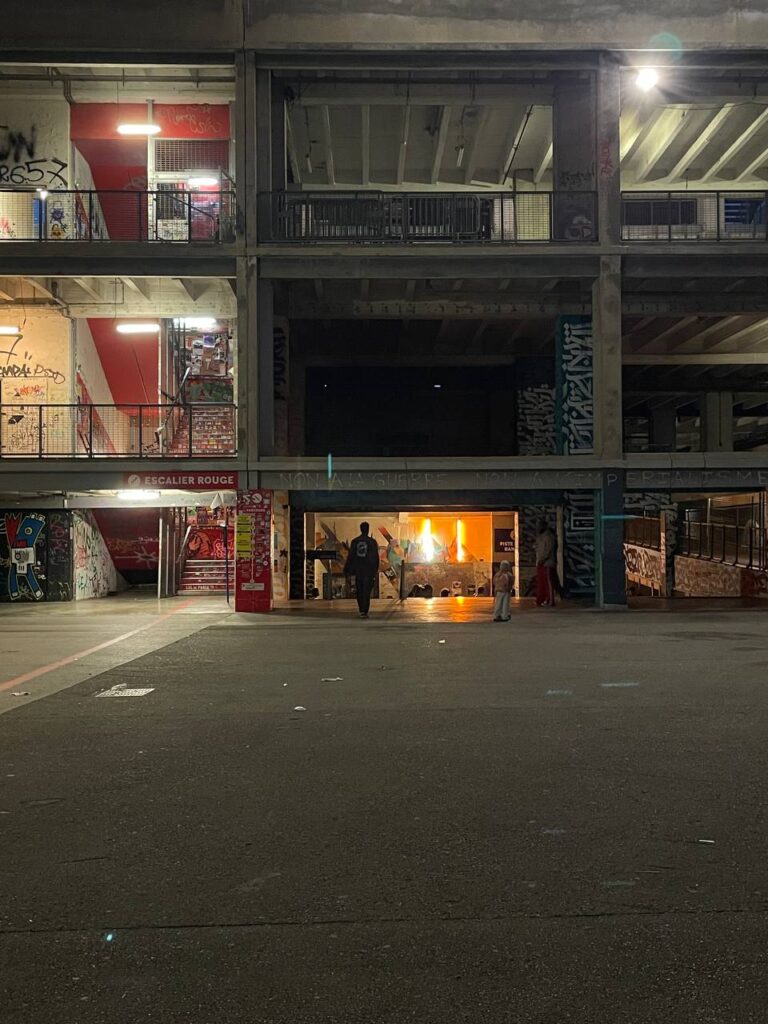
We were welcomed by Friche la Belle de Mai, a former tobacco factory transformed into a cultural space in 1992. Today, La Friche is one of Marseille’s most remarkable cultural landmarks and a place where artistic creation, ecological reflection, and everyday life is intertwined.
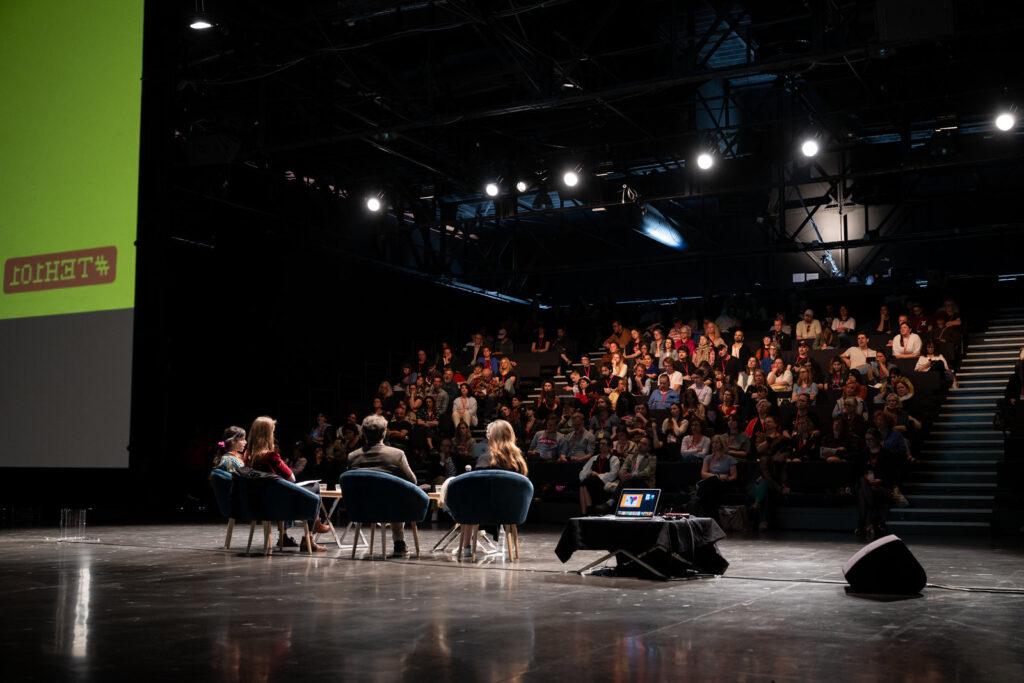
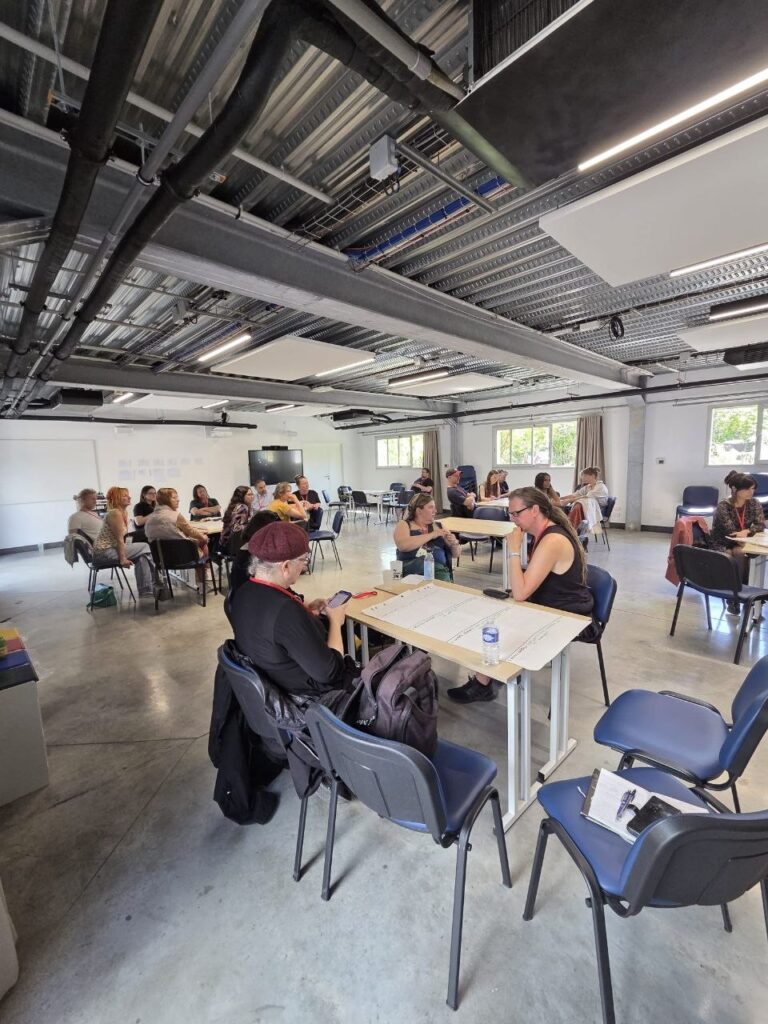
The conference brought together 200+ cultural professionals, with access to more than 30 sessions, workshops, and side-events. Beyond the numbers, what mattered most was the atmosphere in there: open, curious and authentic. Across conversations, panels, and informal encounters, the underlying feeling was clear: cultural spaces across Europe are being asked to do more in a world marked by climate disruption, democratic fragility, economic pressure, and social fragmentation. Yet, they are also among the places where new forms of solidarity, imagination, and action can still take root.
Imagination in moments of scarcity
There was a shared interest in returning to the question of imagination, especially in moments of scarcity. What does imagination make possible when resources are scarce, when institutions are under pressure, or when inherited models no longer hold?
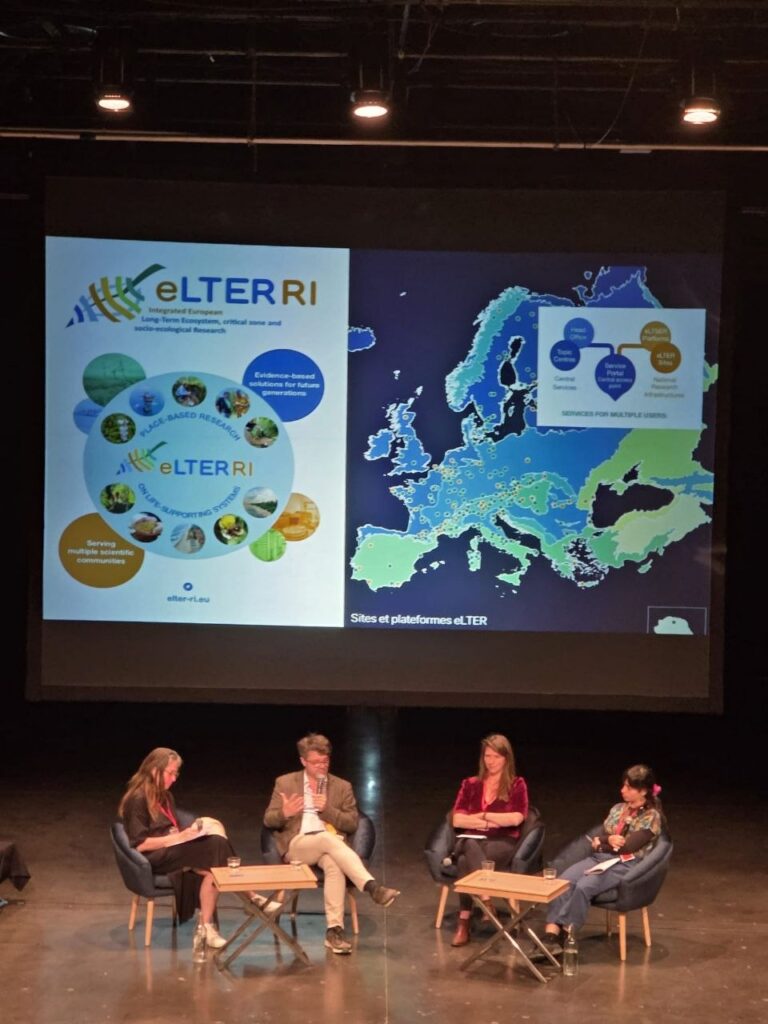
The workshops and conversations were rooted in the understanding that cultural work has always involved making space for thinking of futures that are not yet visible. Environmental responsibility also ran through the program with depth and seriousness. One session explored the role of cultural centres in responding to the environmental crisis. The panelists spoke about what was described as a sensitivity crisis: a growing disconnection between people and the Earth, and from the conditions that make life possible. The discussion moved beyond abstract concern and invited participants to reassess their relationship with the critical zone, with place, and with the everyday decisions that shape collective life. This felt closely aligned to our values as a centre and with the wider TEH101 framing, which asked cultural centres to rethink not only technical solutions, but their missions, values, and ways of inhabiting territory.
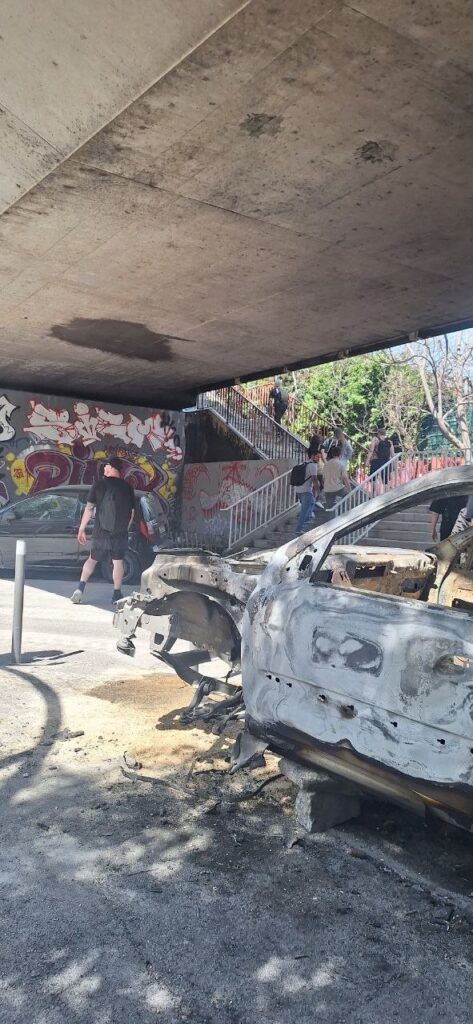
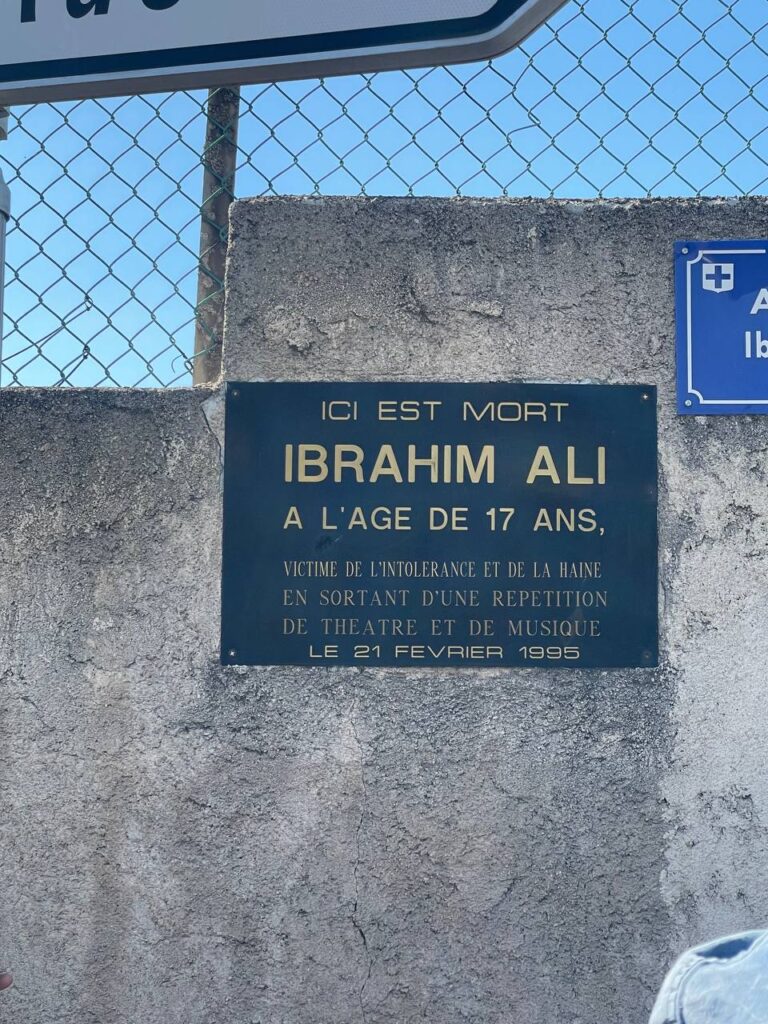
Walking in the most dangerous area of Europe confirmed why we need cultural centres
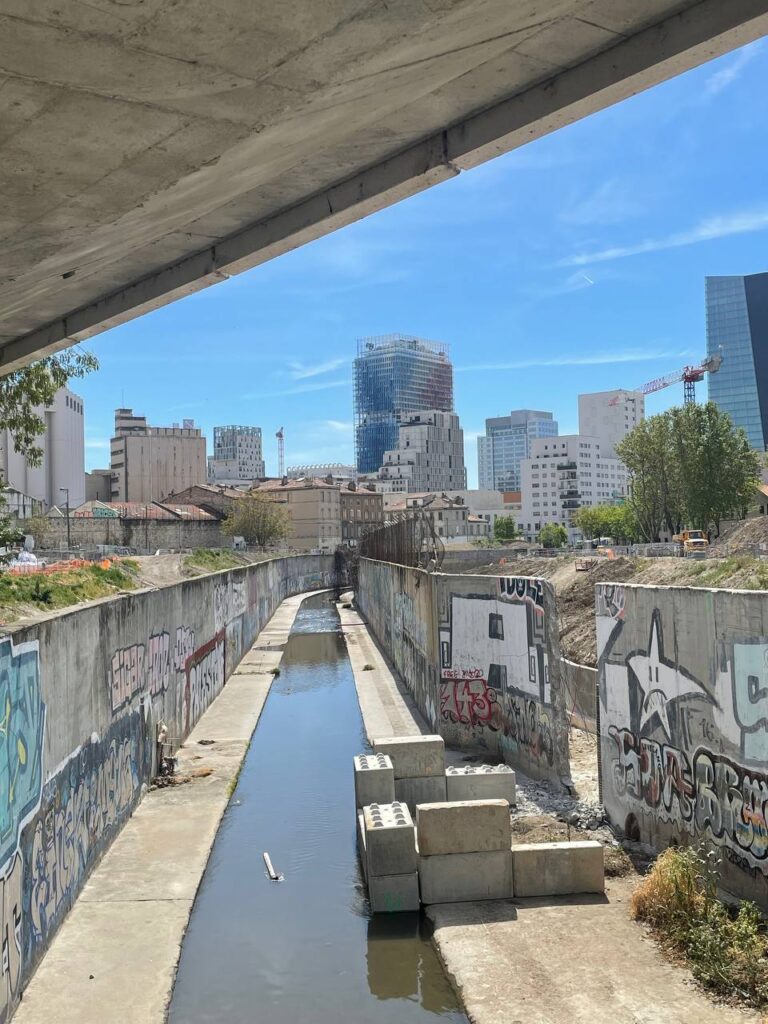
We were also fortunate to join the five-hour walking tour, which offered a powerful way to encounter Marseille beyond the conference setting, facilitated by architects and artists. It opened up questions of inclusion, urban planning, preservation, and community through direct experience. What does it really mean to build cities with people, rather than around them? How can developments account for human and non-human life, for different forms of privilege, and for both informal and formal ways of living? How do we codesign futures that do not leave people behind, while also accepting that we live on a planet with finite resources?
These questions stayed with us long after the walk ended, being discussed during breaks and food breaks and somehow are close to home. How can we guarantee that we embrace the beautiful growth of Lapinlahti making sure we protect our values, our community members, our staff and continue honoring our grassroots origins, history and ethos?
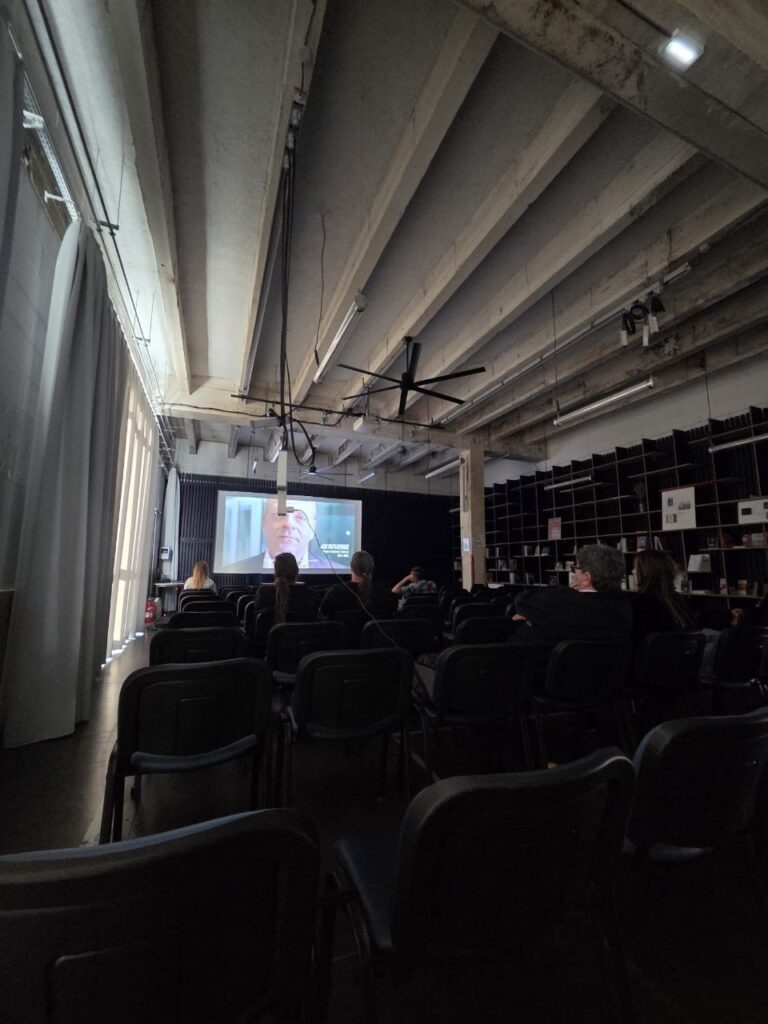
Taistelu Lapinlahdesta documentary presented in the conference
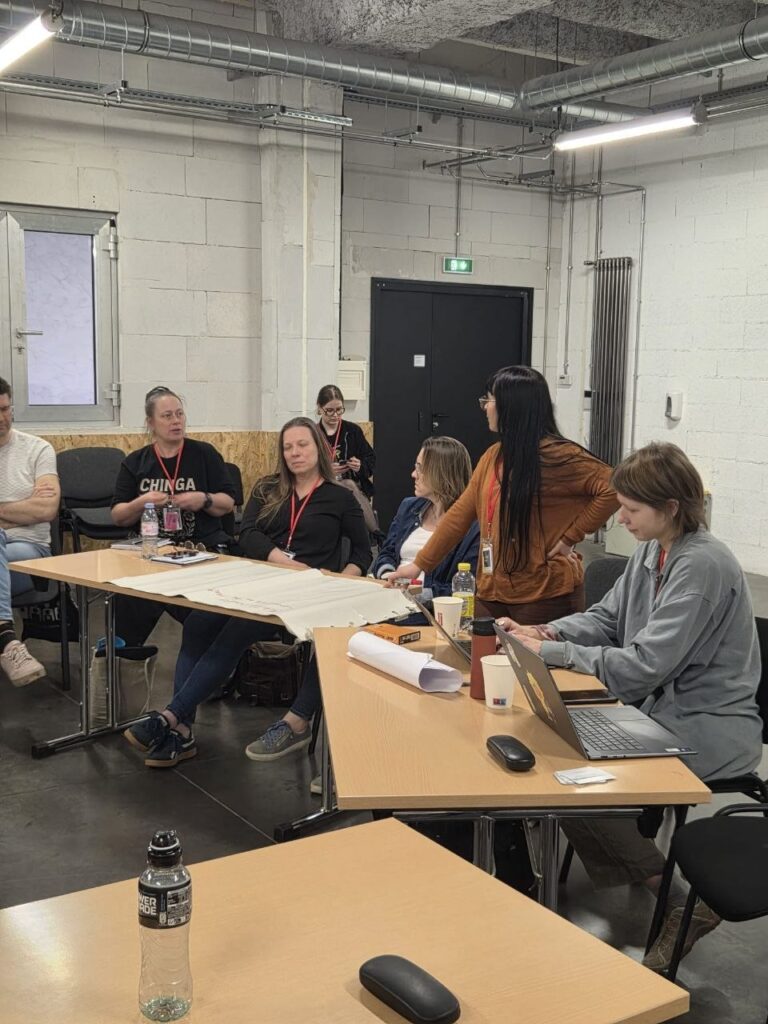
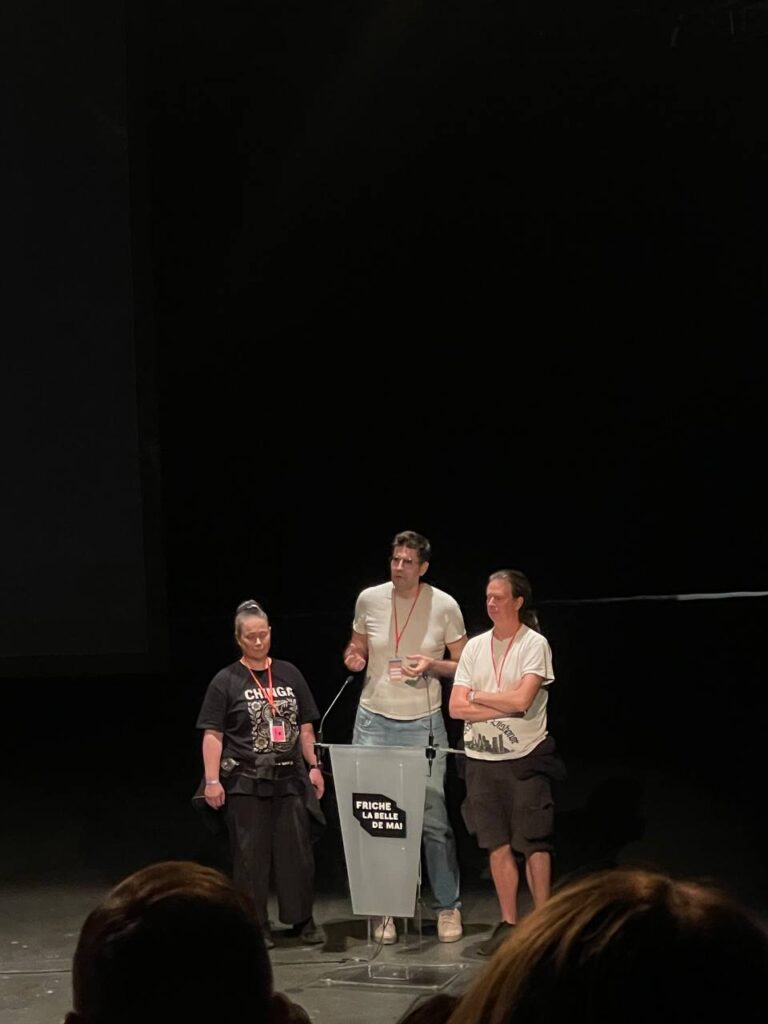
We also had the opportunity to present the Taistelu Lapinlahdesta documentary produced by Klaus Welp as one of the workshops during the conference. The documentary was met with very positive comments and sparked engaged discussion with participants from centres currently facing similar challenges. It became a valuable moment of recognition and exchange, reminding us that while every place has its own history, many of the struggles around protecting cultural space, community ownership, and meaningful public life are deeply shared.
There is a great deal currently unfolding within the TEH community, and much of it feels genuinely promising. New developments, collaborations, and shared plans are already taking shape, and we look forward to sharing more very soon. For now, we are especially happy that Lapinlahti will continue to be actively involved as a partner in TEH 103 in Helsinki, hosted by Kaapeli.
Big opportunities unfold through active engagement
Trans Europe Halles today describes itself as a member-led network of over 170 independent and grassroots arts and culture centres across more than 40 countries. That scale matters because it is a shared infrastructure for exchange, solidarity, learning, advocacy, and cultural transformation. TEH is a living community of artists, organisers, urbanists, ecologists, educators, builders, activists, and caretakers working across different realities while remaining connected through common values.
And that is worth remembering close to home too: if you are an active member of the Lapinlahti community, you are also part of this wider TEH family. If you have ideas, initiatives, or projects you would like to share, please get in touch. This network grows through participation, and the future it points toward will only become real if we keep building it together.